Why this land
why Panama
Panama connects two continents. With each property we preserve, we connect pristine forests where wildlife can move safely and freely.
Why this land
why Panama
Panama connects two continents. With each property we preserve, we connect pristine forests where wildlife can move safely and freely.
Where two continents meet
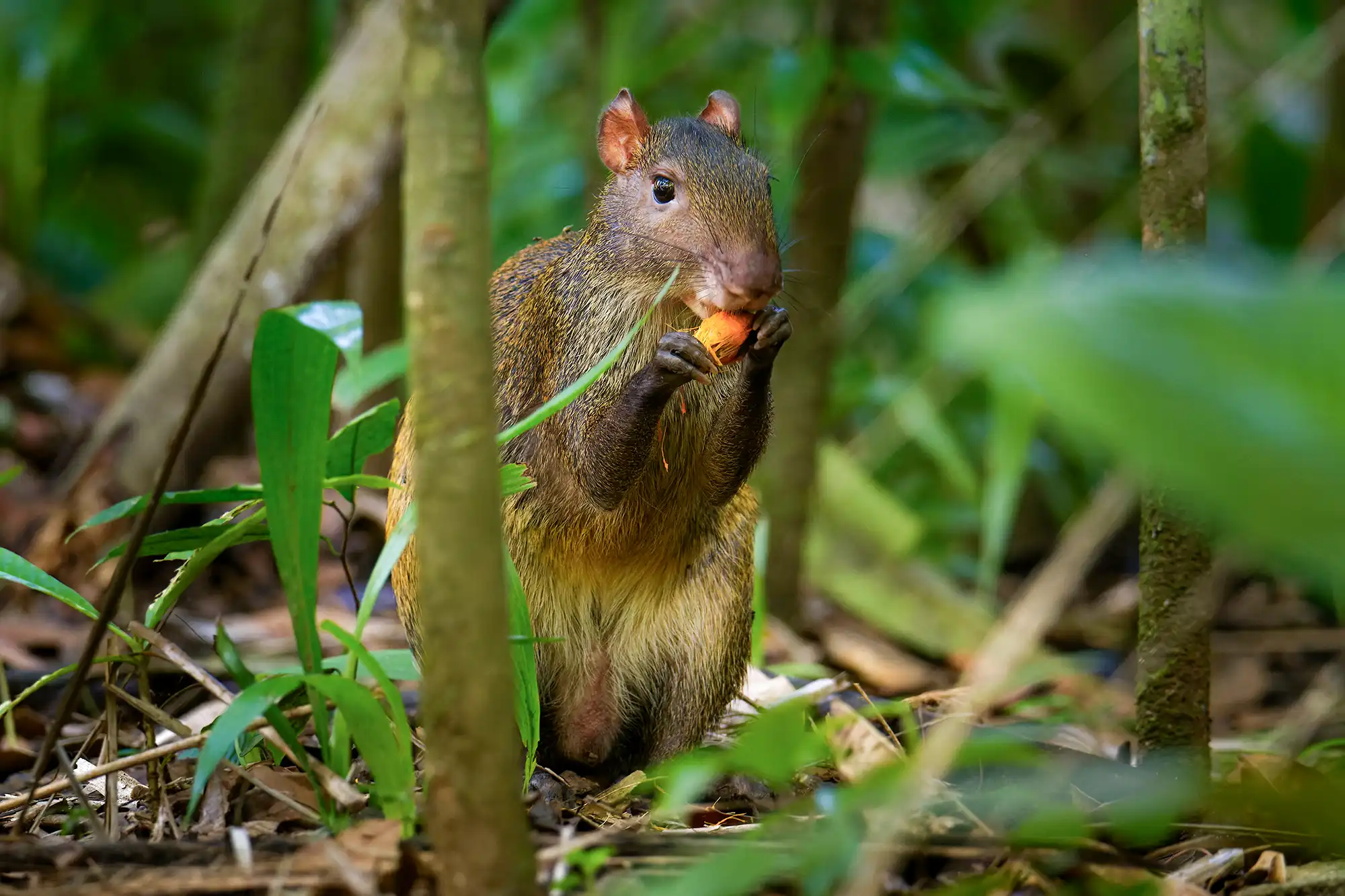
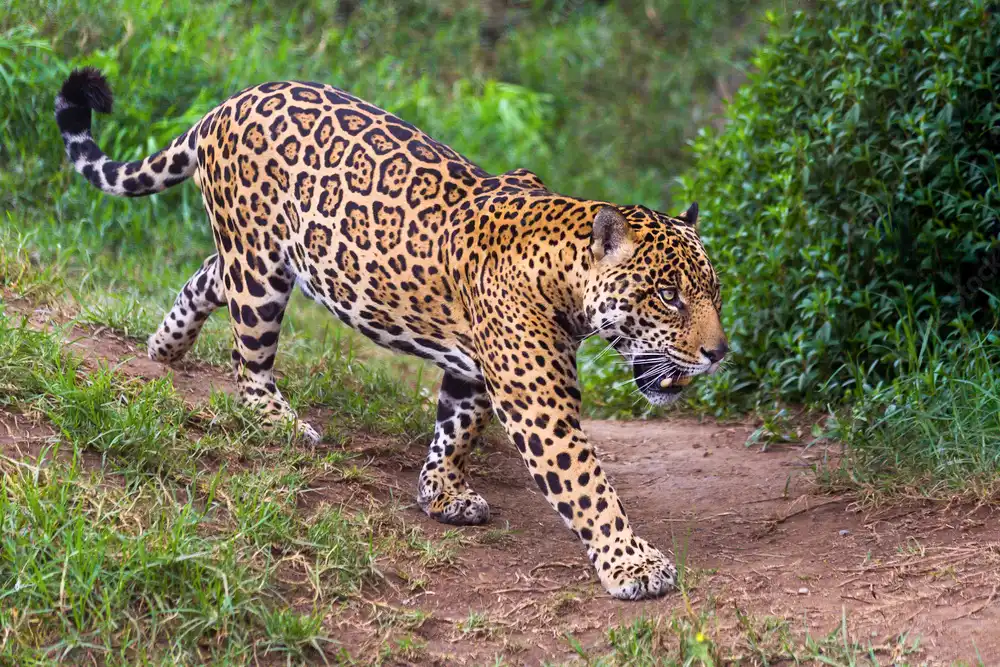
Roughly three million years ago, the Isthmus of Panama rose from the sea and joined North and South America. Animals crossed both ways. Big cats moved south, helping explain why cats top forest food chains across the Americas. Opossums and armadillos moved north. The same strip of land split one ocean into two and reshaped currents far beyond Central America.

Why scientists came
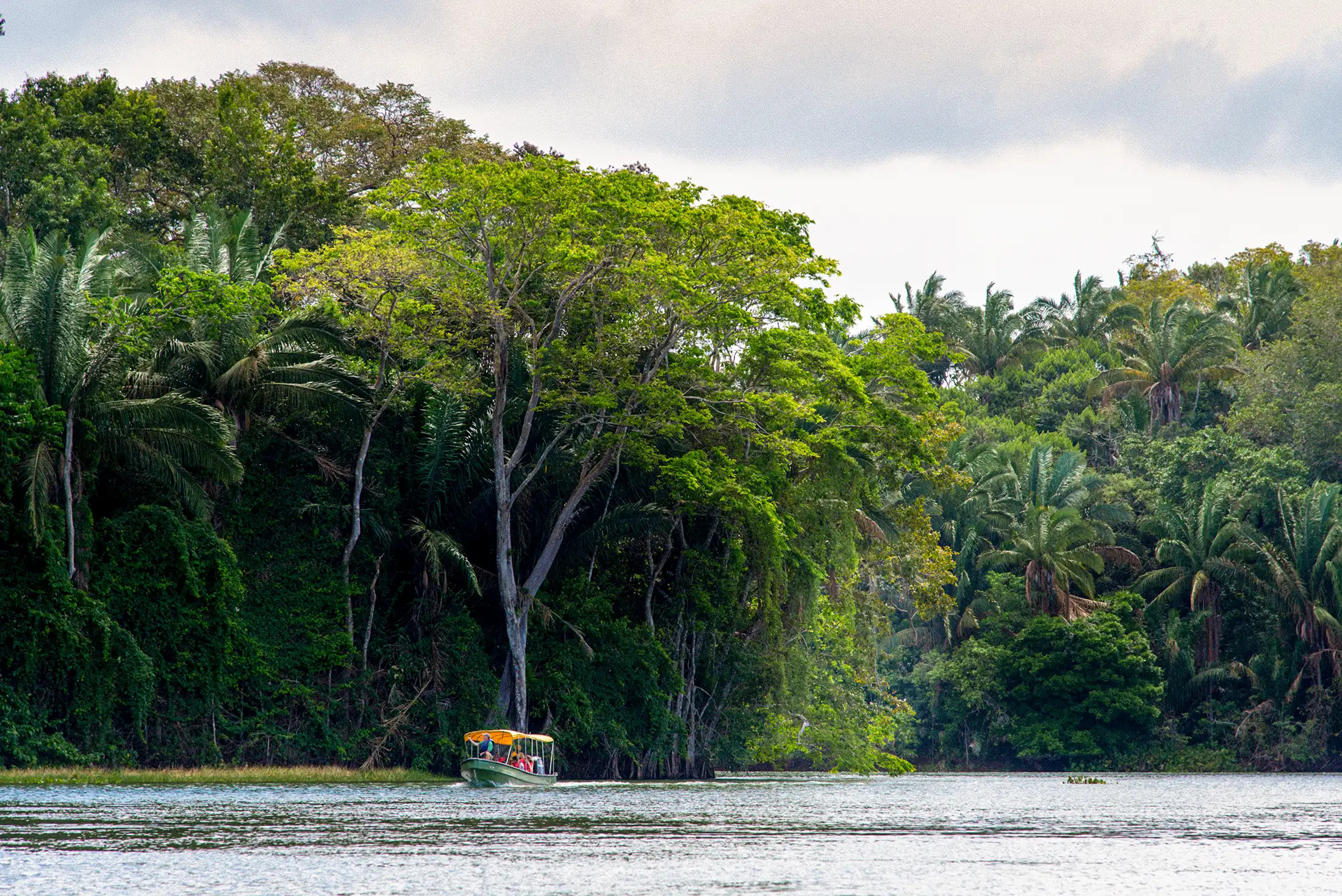
Researchers have studied tropical life on Barro Colorado Island, formed when the Canal flooded Gatun Lake, since 1923. Today it's home base for the Smithsonian Tropical Research Institute. Yet in a country shaped by commerce and the Canal, forest rarely wins on its own.
One family
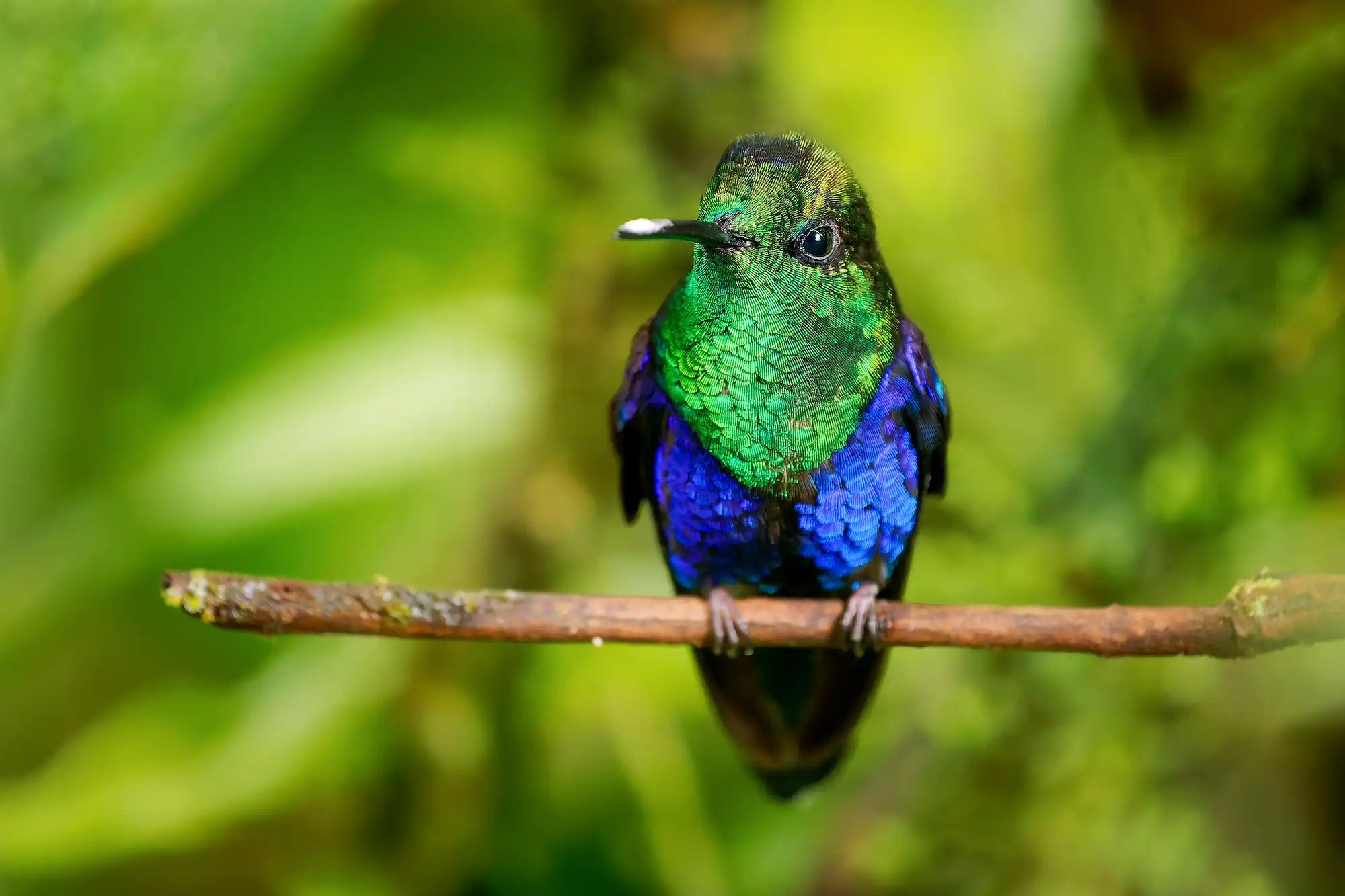
We see the trees, the rivers, the animals, and ourselves as one family, where every species matters as much as the next. Protecting a forest means protecting all of those connections at once.
How the land stays wild
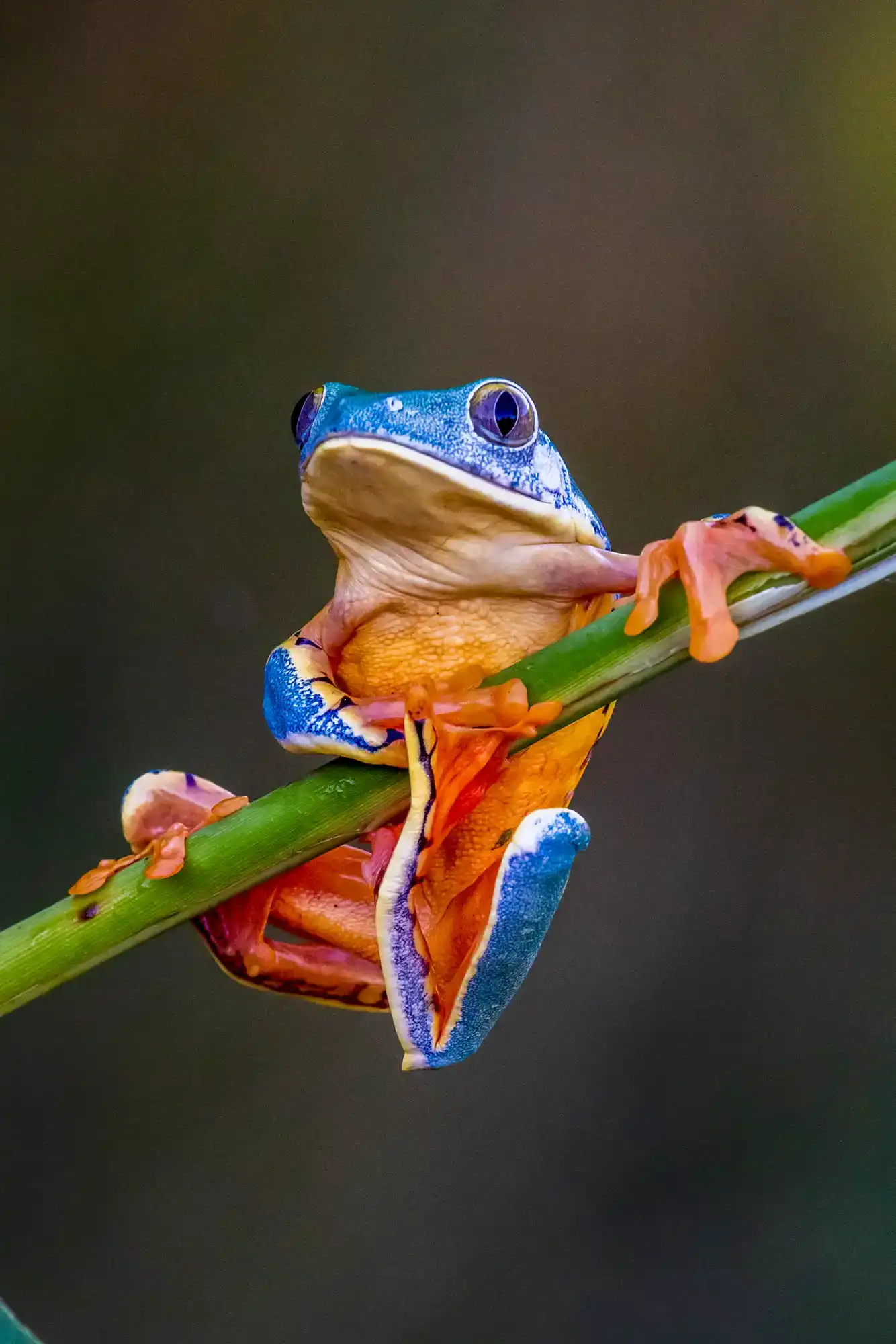
Partners pool funds to buy a whole property, called a finca. Our lawyers then divide the land into parcels, each titled to its owner and registered in Panama's Public Registry. Every owner signs a preservation agreement ruling out logging and commercial harvesting, plantations, water bottling, and dams or hydroelectric projects. Local families still gather the food and medicinal plants that grow wild here.
The long game
Our properties sit side by side, growing outward from our original preserved parcel. As we add parcels, it creates a continuous path through the forest for animals to travel, away from pastures and poachers. Creating wildlife corridors is the point of everything we buy.
What's next
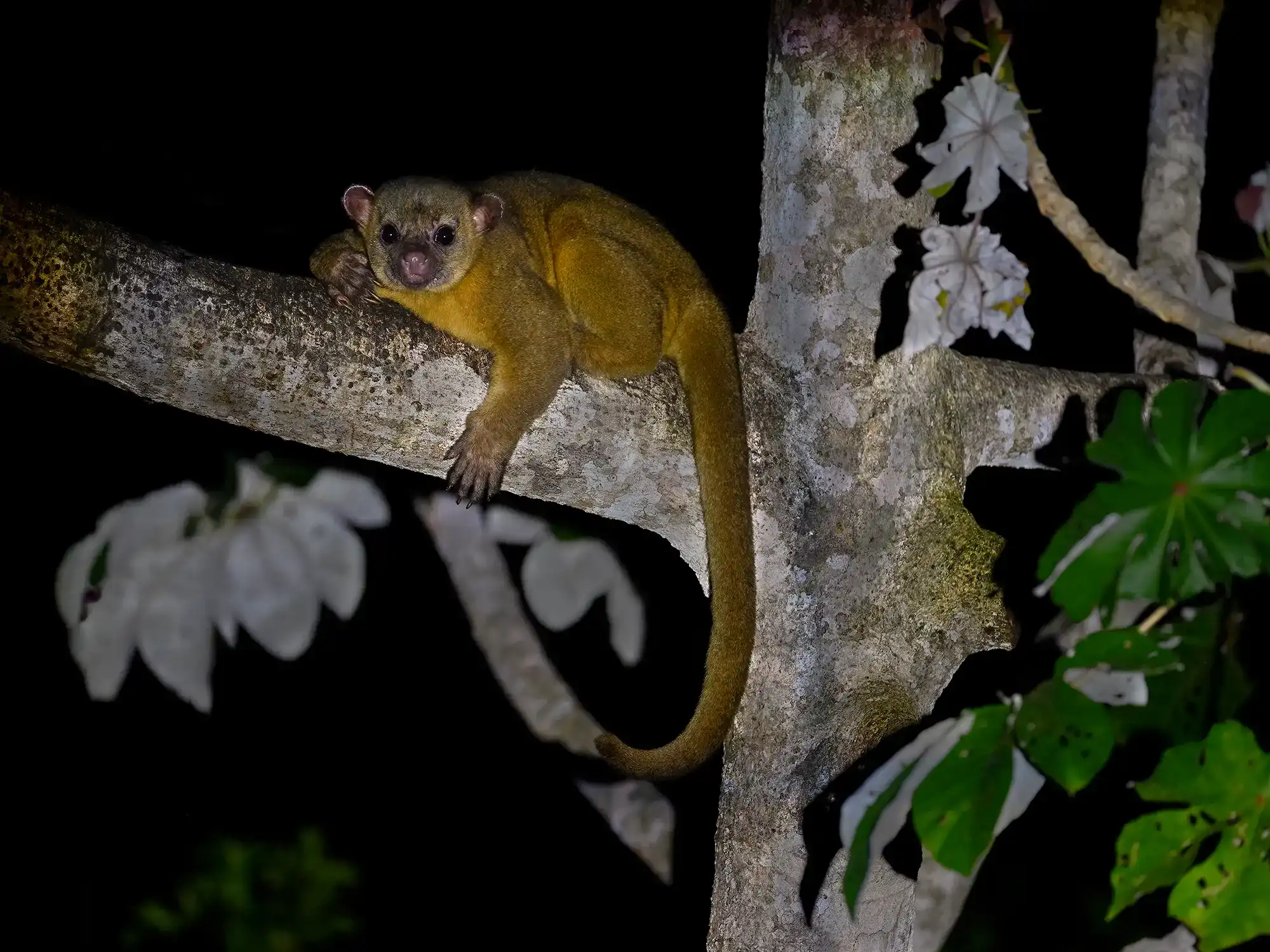
Someday, with the lightest footprint possible, a live-stream camera feed from the forest.